Medieval Customs
- The great amount of little "eyes of ox" that, here and there, we find on practically every wall of the castle show the ever present fear of being attacked. These little holes allowed seeing the enemy coming and having time to prepare the defence. Unfortunately it has not been found the secret corridor that surely this castle had, but near the church there is a winding staircase that allowed the nobles to escape rapidly.
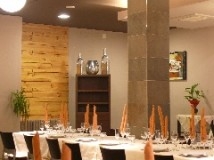
In the great dinning room that we have already described, the dinners of engagement were celebrated. The legends and also the historians recount the norms of conduct during social events of those times that are, nowadays, a little bit curious. The good 'manners' compelled to spit under the table, prohibited anyone with a simple cold to assist to public events, and excused anyone who had released a flatulence if he was able to pretend that the stink came from the dog.
The prison, by its side, proves once again the permanent wish of the nobles to show their power to their enemies (or presumed 'enemies', we would say today). Those who at least had the right to a trial went to the proper prison; but in the dungeons ended up those who would never come out, the life imprisonment of the time.
- In the other side, in the castle we find various signs of the 'inventions' of the epoch, which were used to improve the life conditions of the castle. One of the most curious ones was to leave open the door of the garage during winter as a heating system. Strange but true: the heat of the animals that rested in the garage would come up through the stairs and heated up the rest of the house.
The winding staircase was used by the service staff; once again the architecture represents the type of society, which in this case, was highly hierarchical and always prepared for fighting (a winding staircase is the easiest to defend, because only one person is needed to block it).
|
In most of the preserved castles of the Middle Age, there is always something that differentiates one from the others. In the case of the Castle of Montclar, the customs of the medieval society are represented in the architecture of the building; rooms that fit the way of life of that time.
|